







Search Results for: Coffee Balance

Rich or Clear: The Balance Point of Coffee's Oily Flavor
Those who chase crema often reach a fork in the road: the thicker the crema, the richer the flavor, but the delicate floral and fruity notes tend to blur along with it. Richness and clarity are like the two ends of a seesaw—finding your own balance point is more worth pondering than simply piling on more crema. The essence of crema is carbon dioxide, lipids, and proteins. [more…]
How to Choose Between Sweet and Sour Balance: Looking at Coffee Beans from Light Roast to Dark Roast
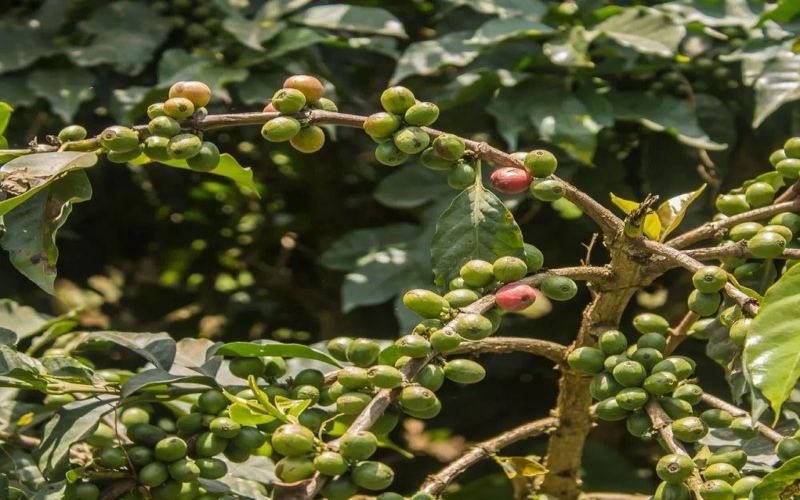
A coffee bean with balanced acidity and sweetness is not simply a matter of adding sourness and sweetness together; rather, it has a bright sensation on entry, followed by a soft sweetness, with a finish that is neither sharp nor astringent, and is not overpowered by bitterness. The roast level changes how this balance is expressed: light roasts lean toward aroma and fruity acidity, medium roasts toward rounded sweetness, while dark roasts use caramel and cocoa [more…]
Recommendations for Single-Origin Pour-Over Coffee Beans with Mild Acidity and Bitterness: Balancing Budget and Drinking Frequency
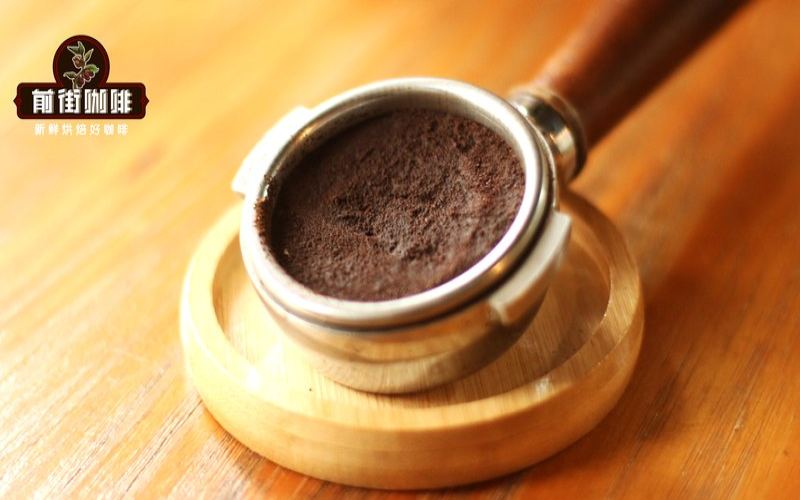
To talk about single-origin pour-over coffee beans with a mild balance of acidity and bitterness, we have to start with the actual taste in the cup. When buying beans for everyday use, you need to consider how quickly you'll drink them, how much to buy at a time, and whether your home mainly makes black coffee or milk coffee. The roast level of the beans determines the basic flavor, the origin and processing method bring differences in aroma, and the equipment you use will change the strength—so when choosing beans, [more…]
Why Blue Mountain Coffee Is a Classic
Blue Mountain coffee's fame is almost as well known as its price. Many people's understanding of Blue Mountain stops at "expensive," but the reason Blue Mountain is a classic is by no means just its price. Its true value lies in a rare sense of balance: the four dimensions of acidity, sweetness, bitterness, and aroma are all controlled just right, making it smooth and mellow on the palate. [more…]

Bean blend for commercial espresso: how to balance the ratio of Arabica to Robusta
In the formulation design of espresso blends, the ratio of Arabica to Robusta beans has always been an unavoidable topic. Each of the two bean types has its own advantages, and how to combine them to ensure both the thickness of the crema and control costs is the core of a commercial blend formula. Arabica beans are the mainstay of espresso blends. They have rich flavor layers and bright acidity. [more…]

The roasting balance for washed beans determines how this cup should be enjoyed
Washed coffee beans often have a clearer sweet-and-sour profile and a clean finish, while the roast level determines how these characteristics present themselves. Light roasts more easily preserve the aroma of origin, medium roasts push sweetness and body to the forefront, and dark roasts let caramel, cocoa, and roasted notes take center stage. When choosing, look at the roast label first, then [more…]

Balanced Coffee Beans | Which Single-Origin Beans Make Pour-Over Black Coffee Without Bitterness or Astringency? Recommended Easy-Drinking, Low-Acidity Medium-Roast Pour-Over Coffee Beans Every Beginner Must Buy
In coffee cupping, there is a scoring category called "Balance," but what it evaluates is not merely the harmony of acidity, sweetness, and bitterness! Rather, it scores the coordination among the coffee's acidity, sweetness, body, and aftertaste. Balance can be said to play the role of coordinator. [more…]
High-value espresso blend beans: how to decide roast level
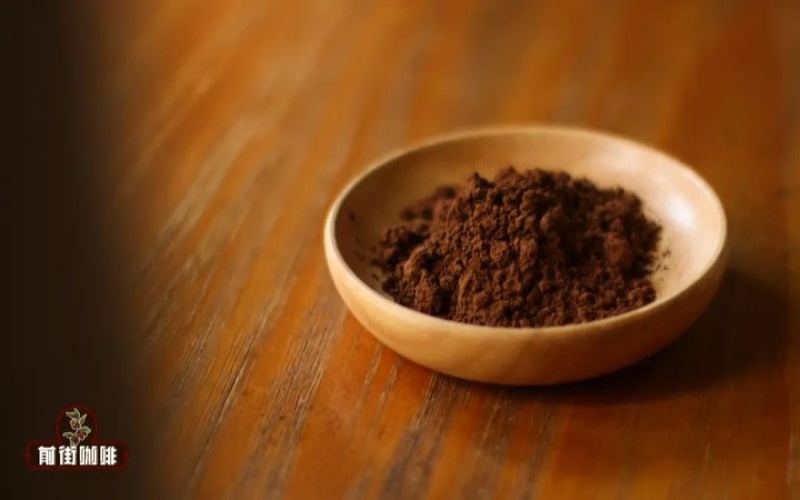
The roast level of an espresso blend often tells you more about a coffee's character than the flavor notes on the packaging. Light roasts lean bright, medium roasts show more sweetness, medium-dark roasts balance aroma with body, and dark roasts tend toward cocoa, caramel, and a toasted feel. When your budget is limited, choosing a roast direction based on the drinks you usually make beats blindly chasing [more…]

When should you start drinking SOE americano? Sweetness and acidity are easier to balance.
From the day coffee beans finish roasting, the internal gases, aromatic compounds, and extraction state are constantly changing. When made into an SOE Americano, these changes are stretched out by the hot water: drink it too early, and the acidity may seem jumpy while the aroma has yet to unfold; once it enters the right stage, the transition between acidity and sweetness becomes smoother, and the fruit notes are more complete. Therefore, judging [more…]
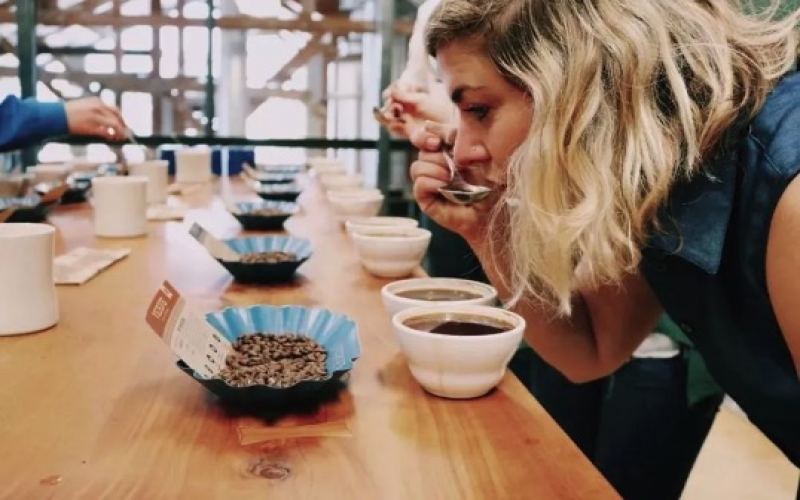
The scoring criteria for coffee cupping. SCA How to evaluate a cup of coffee.
The scoring criteria for coffee cupping. The cupping of coffee beans was initially to ensure whether the quality of the coffee beans that are about to enter the trade is qualified. With the passage of time, after the concept of specialty coffee was b [more…]

Balanced Sweet and Sour Coffee Beans: How to Choose Roast Level
A balance of acidity and sweetness isn't exclusive to any single type of coffee bean, nor is it simply a matter of adding sourness and sweetness together. The roast level determines where the flavor emphasis lies: when beans are roasted light, fruity notes and a crisp, refreshing quality stand out more; at a medium roast, acidity, sweetness, and body blend together more easily; and as you go darker, caramel, cocoa, and nutty aromas gradually take over. [more…]
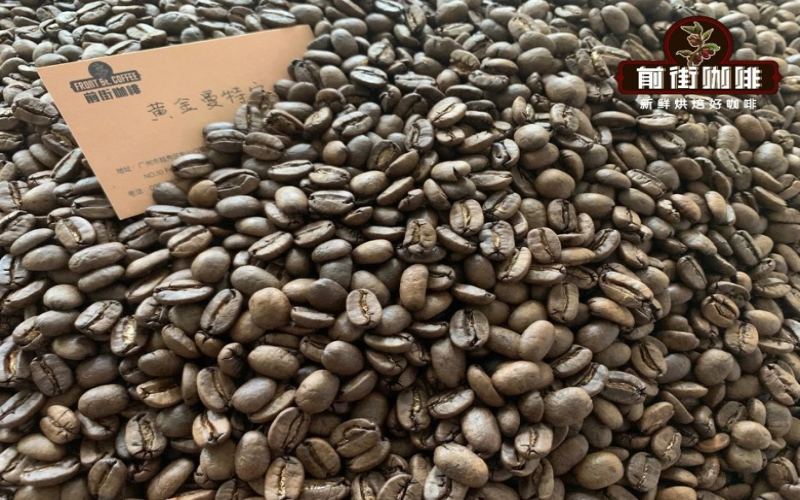
The Richness of Dark Roast Coffee: Balancing Oils, Caramel, and Mouthfeel
The charm of dark roast coffee lies in its steady, full-bodied richness. Many people use "heavy" and "smooth" to describe it—this mouthfeel is not a one-dimensional bitterness, but a balance woven from caramel sweetness, bitterness, and an oily richness. Once you understand where the richness of dark roast beans comes from, drinking it becomes even more enjoyable. The foundation of richness [more…]
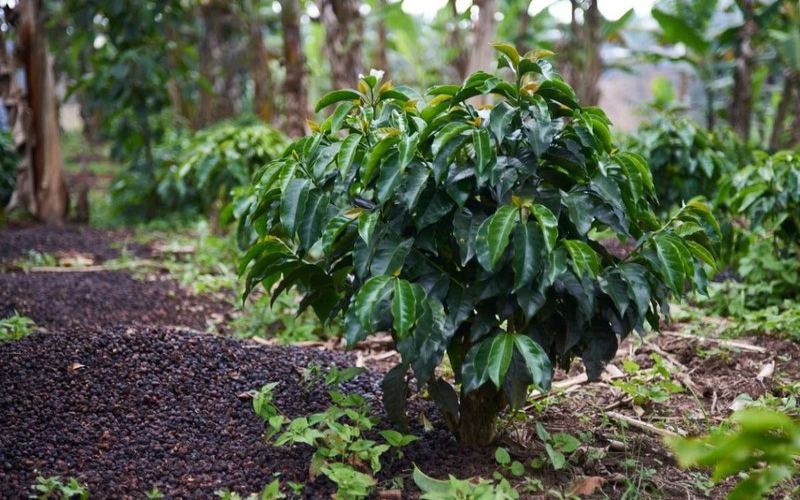
Light roast floral beans: roast level determines floral and fruity expression
The charm of light-roasted floral coffee beans often begins the moment you open the bag: aromas of petals, citrus, berries, or tropical fruit reach your nose first, while the sip brings bright acidity and sweetness. When choosing by roast level, don't just fixate on the words "light roast"—also note whether it sits at the early stage of light roasting, a standard light roast, or has already edged toward [more…]
Coffee bean recommendations for espresso extraction: how different roast levels change the cup profile
The roast level shifts the flavor focus and extraction rhythm of coffee beans. Light roasts tend to retain more floral and fruity notes and bright acidity, medium roasts often show sweetness and balance, while dark roasts lean toward nutty, cocoa, and full-bodied flavors. There is no hierarchy among them; the key is whether they match your brewing method. Espresso extraction centers on dose, grind [more…]
One Pot, Three Personalities: Understanding Roast Levels for Moka Pot Coffee Beans
Coffee brewed in a moka pot is quite strong, and differences in roast level get amplified: light roasts tend to show more fruit acidity and aroma, medium roasts often balance sweetness and body, while dark roasts push cocoa, nut, and roasted notes to the forefront. When choosing beans, first imagine what you want to taste as you lift the cup, then decide which roast level suits you better. [more…]
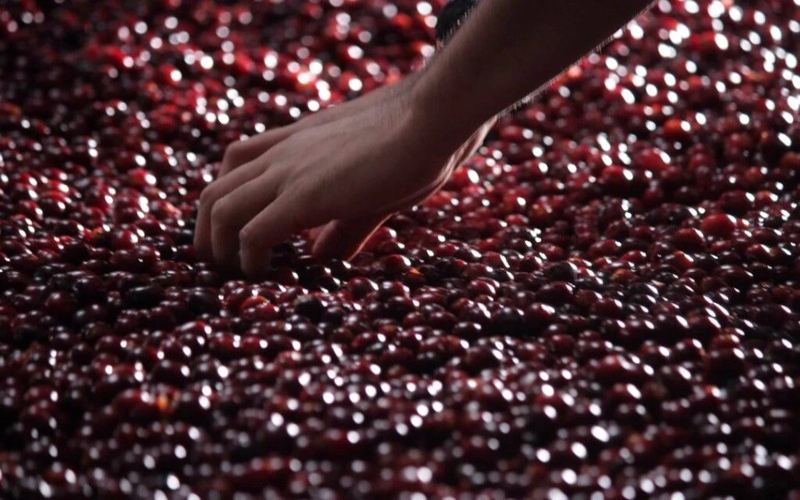
For home use Colombian coffee beans, first check the roast level
When choosing Colombian coffee beans for home, the roast level often has a more direct impact on the taste than the region name. Light roasts are suited for those seeking floral notes and fruity acidity, medium roasts more easily balance sweetness, aroma, and body, while dark roasts steer the flavor toward cocoa, nuts, and a roasted character. First determine the cup profile you prefer, then look at specific beans—this makes the choice easier. [more…]
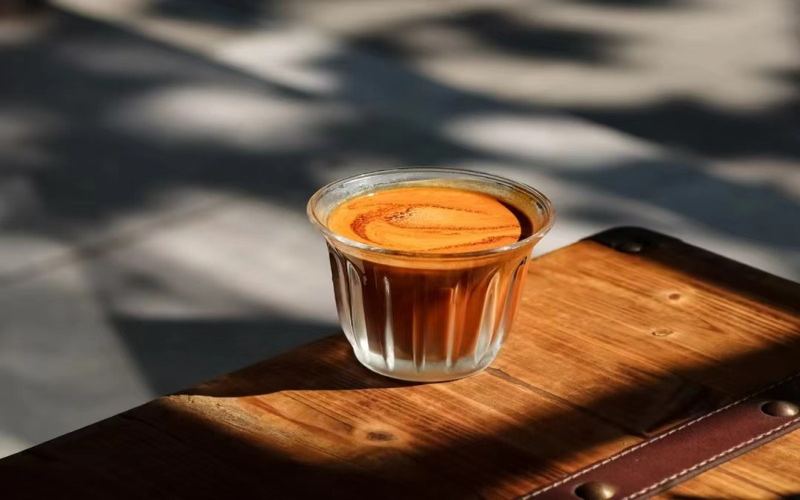
How to Choose Espresso Beans for Home: The Difference in the Cup Across Light, Medium, and Dark Roasts
With the same home espresso machine, changing the roast profile can noticeably alter the acidity, sweetness, aroma, and body in the cup. Light-roasted beans tend to have more fruity and bright notes, medium-roasted beans strike a better balance between sweetness and smoothness, while dark-roasted beans tend to deliver cocoa, nutty, and rich flavors. When your budget is limited, first consider whether you more often drink black coffee [more…]
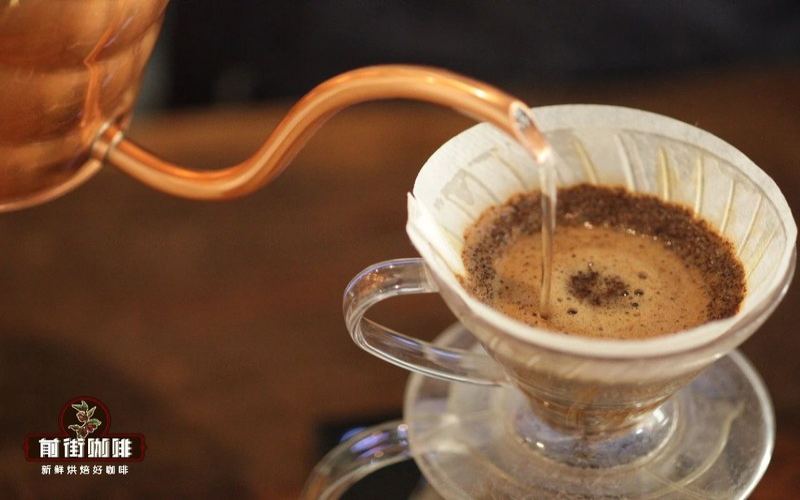
Light, Medium, and Dark Roasts: How to Choose the Right Flavor for Pour-Over Beans
The roast level of pour-over coffee beans determines where the aroma comes from, and also affects the acidity, sweetness, body, and aftertaste on the palate. Light roasts more easily preserve the characteristics of the origin and variety, medium roasts strike a balance between brightness and sweetness, while dark roasts push the flavor toward caramel, cocoa, and a roasted feel. Understanding this path of change first will help you when choosing beans. [more…]
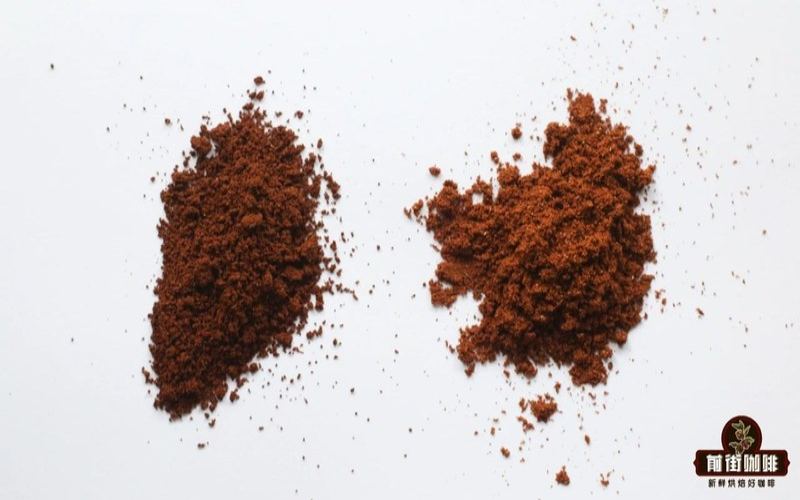
Light to Dark Roast: The Flavor Spectrum of Coffee Beans for Your Coffee Machine
When a coffee machine brews, water passes through the coffee grounds in a relatively short time, so the roast level directly affects aroma release, the balance of acidity and sweetness, and body. Light-roasted beans tend toward bright, fresh flavors, medium-roasted beans easily balance sweetness and fullness, while dark-roasted beans put cocoa, nut, and roasted notes at the forefront. First look at your own [more…]
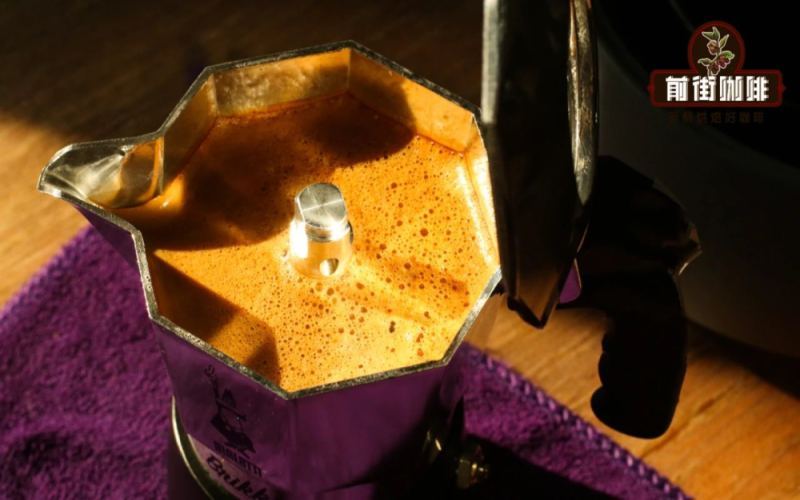
How to Make Iced Coffee with a Moka Pot: Coffee-to-Water Ratio, Bean Selection Tips, and Front Street Espresso Bean Recommendations
Many Moka pot enthusiasts often ask Front Street: Which beans are suitable for a Moka pot? How can I use it to make delicious iced coffee? As the home appliance closest to an espresso machine, the Moka pot is essentially a simple pressure-extraction device. Under ideal conditions, it can produce intense, full-bodied, powerfully flavored coffee, sometimes with a moderate amount of crema. Therefore, when choosing beans, it is advisable to prioritize medium or darker roasts, while also considering crema performance and flavor balance. This article will focus on the bean-selection logic for Moka pots, three Front Street espresso bean recommendations, and the coffee-to-water parameters for a 3-cup Bialetti pot along with the steps for making an iced Americano, providing a reusable operating plan. [more…]